

SYSTEM UPDATES
The “Fast Indexing” Loophole: How Dynamic XML Sitemaps Force Google’s Hand
You just hit publish on a massive, 4,000-word Pillar page. You go to Google Search Console, submit the URL, and then… you wait. Sometimes a few days, sometimes a few weeks. In the modern era of automated SEO, waiting for Google to randomly discover your content is an obsolete strategy.


The Problem with Standard Sitemaps
Most SEO plugins generate a flat, chronological sitemap.xml. It treats a massive guide on “Corporate Tax Law” exactly the same as a 300-word blog post about your office holiday party. Because there is no mathematical hierarchy, Google’s bot has to guess what matters.
To achieve rapid indexing and high-rank velocity, your XML sitemap must reflect your Hub and Spoke entity architecture.
The EAP Sitemap Engine
The Entity Authority Platform completely bypasses standard WordPress sitemaps by generating targeted, architecture-aware XML feeds.
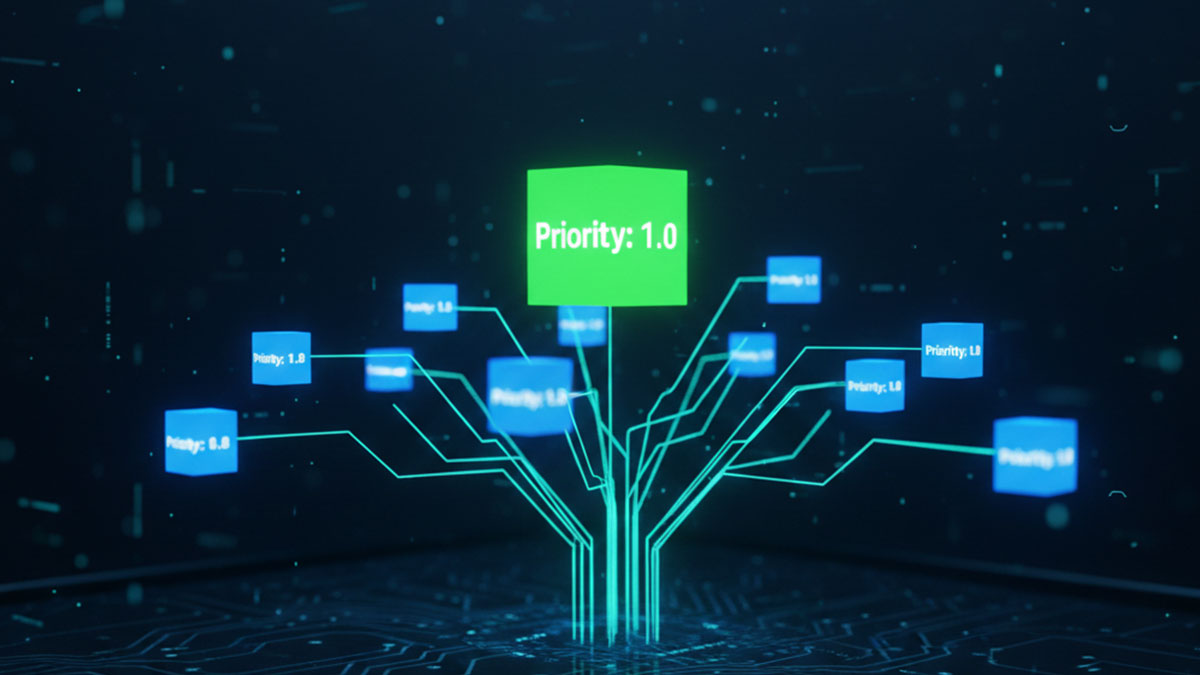
- The Pillar Hierarchy: When you designate a page as a Pillar inside the SPP Drawer, EAP creates a dedicated
sitemap-pillar.xml. It hardcodes your Hubs at a<priority>1.0</priority>and your attached Clusters at0.8. - Media Sitemaps: EAP detects if you are using
VideoObjectschema and automatically builds a dedicated Video XML file, satisfying Google’s strict requirements for visual search indexing. - The Fast Indexing Loophole: By combining an architecture-perfect XML file with a direct ping to the Google Indexing API, EAP forces the crawler to process your top-tier entities immediately, securing your SERP real estate before competitors even realize you published.
Stop waiting for Googlebot.
Take control of your crawl budget. Use EAP’s dynamic sitemap engine to force rapid indexing of your most valuable entities.